Understanding Ainanotech in the Modern Scientific Landscape
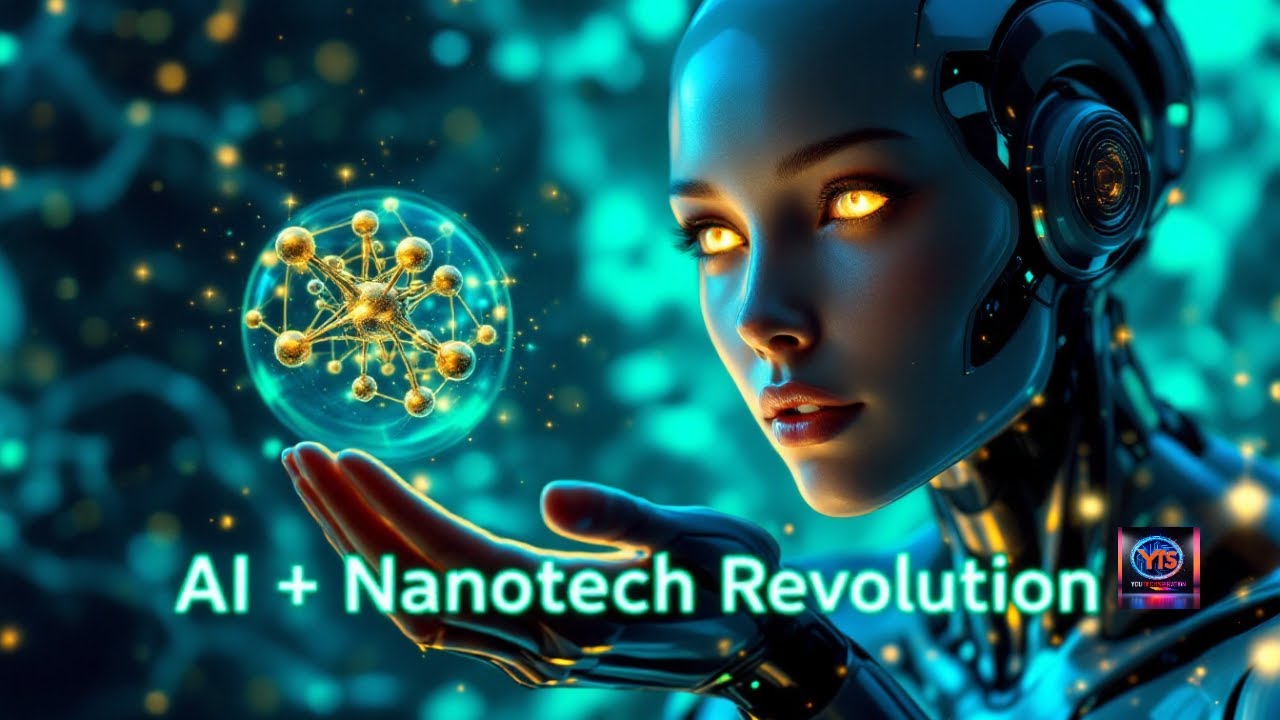
The concept of ainanotech represents the convergence of artificial intelligence and nanotechnology, two groundbreaking fields that are shaping the future of science and engineering. At its core, ainanotech explores how intelligent systems can be integrated with nanoscale technologies to create highly precise, adaptive, and efficient solutions for complex global challenges. This fusion is opening new possibilities in medicine, manufacturing, energy, and environmental science.
In today’s innovation-driven world, both AI and nanotechnology are already powerful on their own. However, when combined under frameworks like ainanotech, they enable systems that can analyze, design, and even control matter at the atomic and molecular level. This level of precision marks a major step forward in human technological capability.
The Role of Artificial Intelligence in Nanotechnology
Artificial intelligence plays a critical role in accelerating advancements within nanotechnology. Through ainanotech systems, AI algorithms are used to simulate nanoscale environments, predict molecular behavior, and optimize the design of nanomaterials. This reduces the need for time-consuming physical experiments and significantly speeds up research and development.
Machine learning models can analyze vast datasets generated from nanoscale experiments, identifying patterns that are too complex for traditional methods. As a result, scientists can develop more effective nanostructures for use in electronics, medicine, and energy storage. AI essentially acts as the brain that guides nanoscale innovation.
Ainanotech in Medical Breakthroughs and Healthcare Innovation
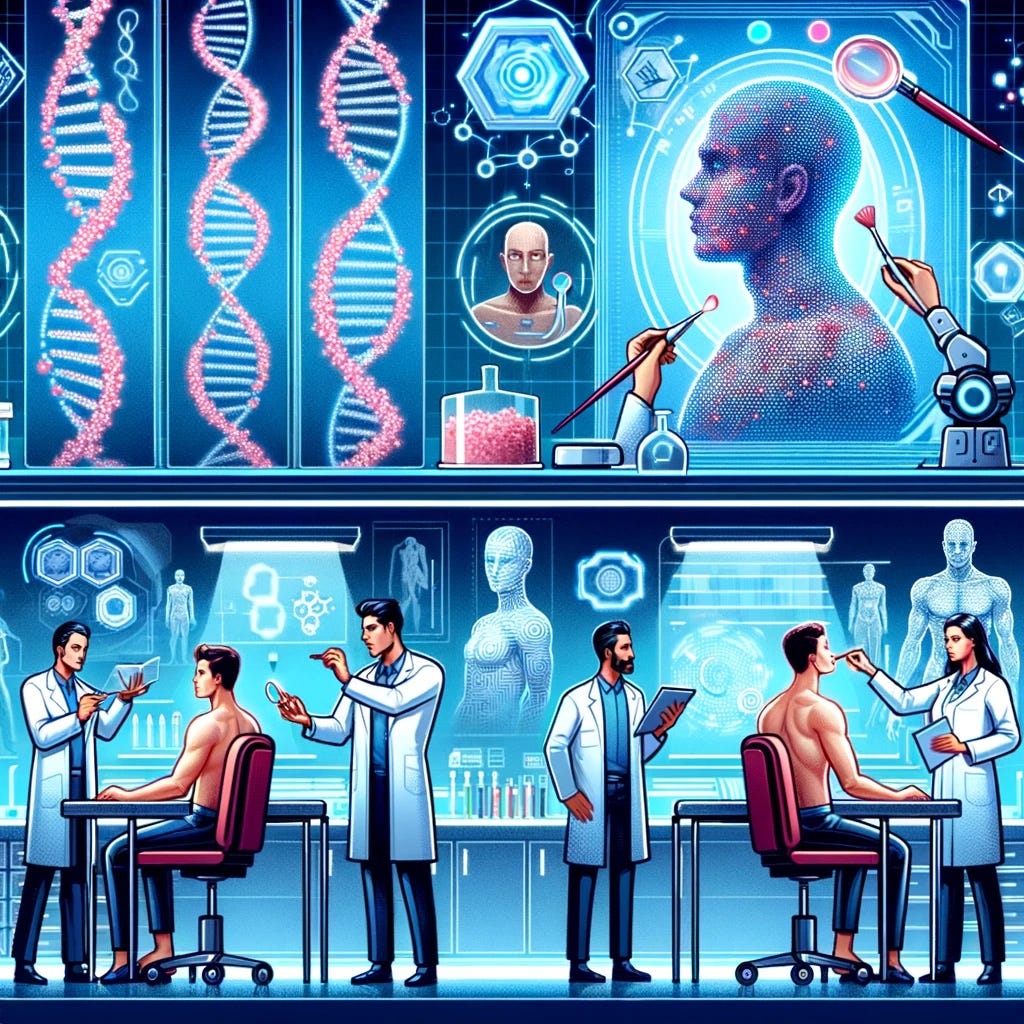
One of the most promising applications of ainanotech is in the field of medicine. Nanotechnology already plays a role in targeted drug delivery systems, but when combined with AI, its capabilities expand dramatically. Intelligent nanodevices can potentially detect diseases at an early stage, deliver precise treatments, and monitor patient conditions in real time.
In cancer treatment, for example, ainanotech could enable nanoparticles to identify and attack only cancerous cells without harming surrounding healthy tissue. This level of precision could revolutionize treatment methods, reducing side effects and improving recovery rates. The integration of AI ensures that these nanodevices adapt dynamically to biological conditions.
Industrial Applications of Ainanotech Systems
Beyond healthcare, ainanotech has significant potential in industrial applications. In manufacturing, nanoscale materials designed with AI assistance can lead to stronger, lighter, and more efficient products. Industries such as aerospace, automotive, and electronics are already exploring nanomaterials to improve performance and durability.
AI-driven nanotechnology also enhances quality control processes. Intelligent systems can detect microscopic defects in materials that would otherwise go unnoticed. This leads to safer products, reduced waste, and improved efficiency across production lines. Ainanotech is gradually transforming how industries design and produce goods.
Environmental Solutions Powered by Ainanotech
Ainanotech is also contributing to environmental sustainability efforts. Nanomaterials designed with AI can be used to create more efficient water purification systems, air filters, and energy storage solutions. These innovations help address critical global challenges such as pollution and resource scarcity.
For example, smart nanomaterials can be engineered to capture carbon emissions more effectively or break down harmful pollutants in water sources. AI helps optimize these processes by continuously analyzing environmental data and improving system performance. This creates adaptive solutions that evolve with changing environmental conditions.
Challenges and Ethical Considerations of Ainanotech
Despite its enormous potential, ainanotech also raises important challenges and ethical questions. Working at the nanoscale involves risks that are not yet fully understood, including potential environmental and biological impacts. Ensuring safety and responsible development is crucial as this technology advances.
There are also concerns about control and transparency when AI systems are used to manipulate matter at such a fundamental level. Regulatory frameworks will be necessary to ensure that ainanotech is used responsibly and does not lead to unintended consequences. Balancing innovation with caution will be essential for long-term success.
The Future Vision of Ainanotech Innovation
Looking ahead, ainanotech is expected to become a cornerstone of next-generation scientific innovation. As AI systems become more advanced and nanotechnology tools become more precise, their integration will lead to breakthroughs that are currently difficult to imagine. From smart medical nanobots to self-healing materials and advanced energy systems, the possibilities are vast.
In the future, ainanotech could redefine how humans interact with the physical world at its smallest scales. By combining intelligence with precision engineering, it has the potential to solve some of the most complex problems facing humanity, paving the way for a smarter, healthier, and more sustainable world.