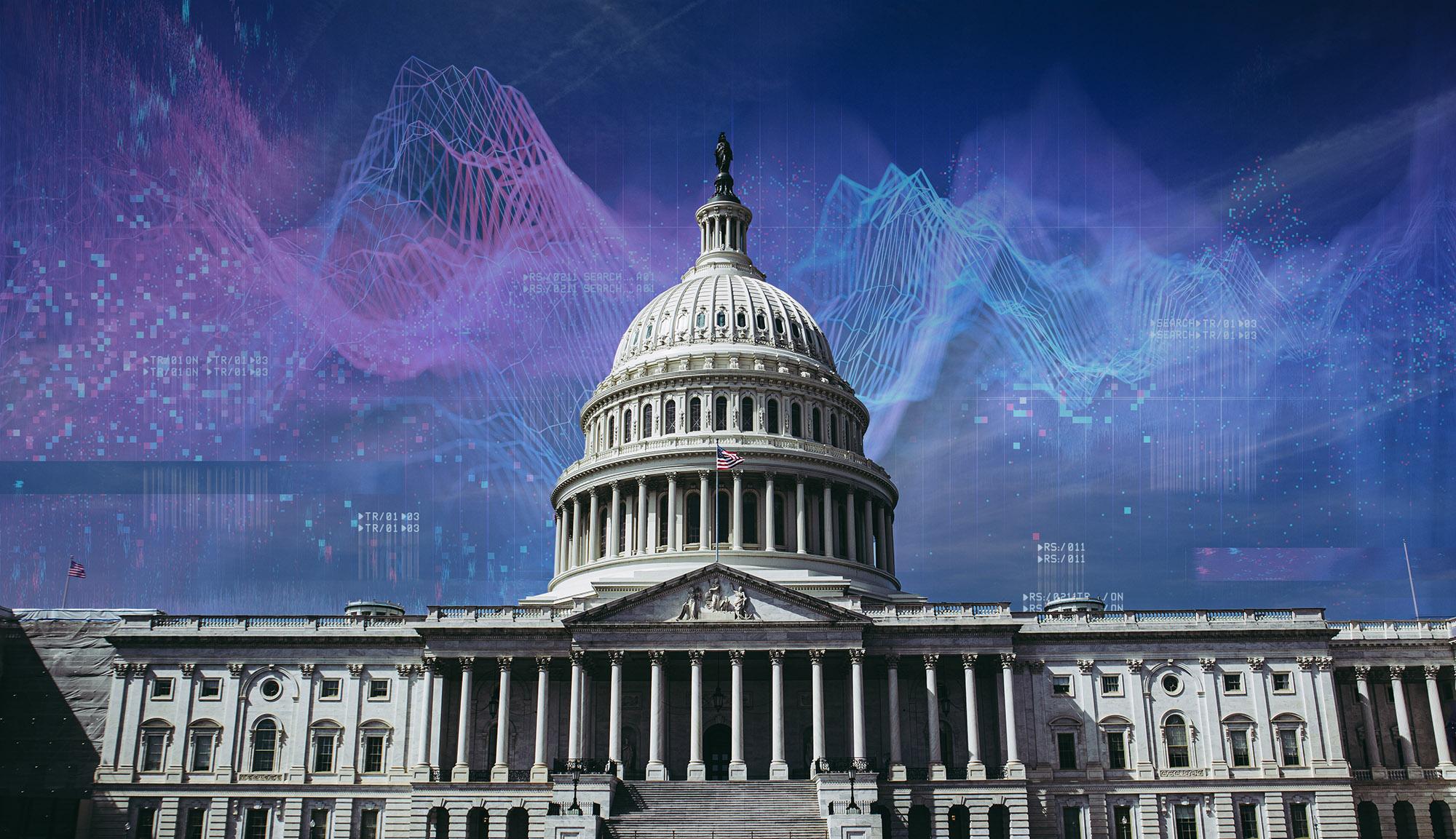
Explore the new U.S. Federal AI Regulation Bill and its impact on artificial intelligence governance, innovation, consumer protection, deepfake prevention, national security, and the future of AI regulation in America.


Introduction
Artificial intelligence has rapidly evolved from a niche technological innovation into one of the most transformative forces shaping the modern world. From powering virtual assistants and autonomous systems to revolutionizing healthcare, finance, education, and manufacturing, AI is becoming deeply embedded in everyday life. As its capabilities continue to expand, governments around the world are grappling with a critical question: how should AI be regulated?
In a landmark development, the United States has introduced a major federal AI regulation bill that aims to establish a nationwide framework for governing artificial intelligence technologies. The proposed legislation represents one of the most significant efforts by U.S. lawmakers to address both the opportunities and risks associated with advanced AI systems.
The bill arrives at a time when concerns over deepfakes, misinformation, algorithmic bias, cybersecurity threats, privacy violations, and AI-powered fraud are growing. At the same time, policymakers are mindful of the need to preserve America’s leadership in AI innovation and remain competitive against global rivals.
This comprehensive legislation seeks to balance innovation with accountability, creating a regulatory structure that encourages technological advancement while protecting citizens, businesses, and national security interests.
Why AI Regulation Has Become a National Priority
Artificial intelligence is advancing at an unprecedented pace. Large language models, image-generation tools, autonomous systems, and predictive analytics platforms are increasingly capable of performing tasks once thought to require human intelligence.
While these developments offer tremendous benefits, they also introduce significant risks. AI-generated content can be used to create convincing fake videos, impersonate individuals, spread misinformation, and manipulate public opinion. Organizations are also concerned about the possibility of AI being exploited for cyberattacks, fraud schemes, and automated criminal activities.
Additionally, researchers have highlighted concerns regarding:
- Bias in AI decision-making systems
- Lack of transparency in model development
- Privacy and data protection issues
- Job displacement through automation
- National security implications
- Intellectual property disputes
- Consumer protection challenges
As these concerns have grown, states across the U.S. have begun implementing their own AI-related laws and regulations. However, this fragmented approach has created uncertainty for businesses operating across multiple jurisdictions.
The newly proposed federal AI regulation bill seeks to address this issue by creating a unified national framework that establishes consistent standards for AI development and deployment.
The Growing Influence of Artificial Intelligence


Artificial intelligence is no longer limited to technology companies. Today, AI is transforming nearly every sector of the economy.
Healthcare
AI systems assist physicians in diagnosing diseases, analyzing medical images, predicting patient outcomes, and accelerating drug discovery. Hospitals increasingly rely on machine learning algorithms to improve efficiency and patient care.
Finance
Financial institutions use AI for fraud detection, risk assessment, algorithmic trading, and customer service automation. AI helps identify suspicious transactions and improve decision-making processes.
Education
Educational platforms employ AI-powered tutoring systems, personalized learning experiences, and automated assessments. These technologies are reshaping how students learn and interact with educational content.
Transportation
Autonomous vehicles, intelligent traffic systems, and predictive maintenance tools demonstrate AI’s growing role in transportation infrastructure.
Business Operations
Companies use AI to automate routine tasks, optimize supply chains, analyze customer behavior, and improve productivity.
The widespread adoption of AI underscores the importance of establishing clear regulatory guidelines that promote responsible development and deployment.
Key Objectives of the Federal AI Regulation Bill
The proposed legislation focuses on several major objectives.
Creating National Standards
One of the primary goals is to establish consistent federal standards for AI systems. A unified framework can reduce regulatory confusion and provide companies with clear expectations.
Promoting Innovation
Lawmakers recognize that excessive regulation could hinder technological progress. The bill seeks to support innovation while ensuring responsible AI practices.
Protecting Consumers
Consumer protection measures are designed to address risks such as fraud, deception, identity theft, and harmful AI-generated content.
Enhancing Transparency
The legislation encourages greater transparency regarding how AI systems are developed, trained, and deployed.
Strengthening National Security
Given AI’s strategic importance, the bill includes provisions aimed at safeguarding critical infrastructure and preventing misuse by hostile actors.
Addressing AI-Powered Fraud and Deepfakes
One of the most urgent concerns surrounding AI involves the rise of sophisticated fraud schemes and deepfake technology.
Deepfakes use artificial intelligence to create highly realistic images, videos, and audio recordings that can be difficult to distinguish from authentic content. These technologies have the potential to be used for:
- Financial scams
- Identity theft
- Political misinformation
- Corporate espionage
- Social engineering attacks
The proposed legislation introduces stronger penalties for individuals and organizations that use AI systems for fraudulent or deceptive purposes.
Government agencies would also receive additional resources to investigate and combat AI-enabled crimes.
As deepfake technology becomes increasingly accessible, lawmakers view stronger enforcement mechanisms as essential for maintaining public trust.
Balancing Innovation with Accountability
One of the central challenges facing policymakers is finding the right balance between innovation and regulation.
Excessive restrictions could discourage investment, slow research, and limit America’s ability to compete globally. Insufficient oversight, however, could expose consumers and businesses to significant risks.
The bill attempts to strike a middle ground by:
- Encouraging AI research and development
- Supporting industry-led innovation
- Establishing reasonable compliance requirements
- Focusing oversight on high-risk applications
- Promoting voluntary safety standards
This balanced approach reflects the growing recognition that AI governance must evolve alongside technological advancement.
The Debate Over Federal vs. State Regulation
A major aspect of the proposed legislation involves the relationship between federal and state governments.
In recent years, several states have introduced their own AI laws addressing issues such as privacy, algorithmic discrimination, and automated decision-making.
Supporters of the federal bill argue that a patchwork of state regulations creates compliance challenges for businesses operating nationwide. They believe a consistent national framework would simplify regulatory obligations and encourage innovation.
Critics, however, contend that states should retain the flexibility to address local concerns and respond more quickly to emerging AI risks.
The debate highlights broader questions about how regulatory authority should be distributed in the rapidly evolving AI landscape.
Impact on Technology Companies


Technology companies will likely be among the most affected stakeholders if the legislation becomes law.
Major AI developers may face new requirements related to:
Risk Assessments
Organizations could be required to evaluate potential harms associated with advanced AI systems before deployment.
Documentation Standards
Developers may need to maintain records detailing model training processes, safety testing, and performance evaluations.
Transparency Obligations
Companies could be expected to disclose information about AI-generated content and automated decision-making systems.
Compliance Programs
Businesses may need to implement governance structures designed to ensure adherence to federal AI standards.
While these measures may increase compliance costs, many industry leaders prefer a unified federal framework over navigating multiple state regulations.
National Security Considerations
Artificial intelligence is increasingly viewed as a strategic technology with significant national security implications.
Governments worldwide are investing heavily in AI capabilities for:
- Cybersecurity
- Intelligence gathering
- Defense systems
- Infrastructure protection
- Military applications
The proposed bill includes provisions aimed at ensuring AI technologies are developed and deployed responsibly within sensitive sectors.
Policymakers are particularly concerned about the possibility of advanced AI systems being used by foreign adversaries to conduct cyberattacks, spread disinformation, or compromise critical infrastructure.
By establishing national standards, lawmakers hope to strengthen America’s security posture while maintaining technological leadership.
Global Context: How Other Countries Are Regulating AI
The United States is not alone in pursuing AI regulation.
Several countries and regions have already introduced comprehensive AI governance frameworks.
European Union
The EU has adopted extensive AI regulations that categorize systems based on risk levels and impose stricter requirements on high-risk applications.
United Kingdom
The UK has taken a more flexible, sector-specific approach focused on innovation and regulatory coordination.
Canada
Canadian policymakers are developing AI governance frameworks emphasizing transparency, accountability, and consumer protection.
Asia-Pacific Region
Countries across Asia are exploring AI regulations tailored to their economic and technological priorities.
The U.S. proposal reflects a broader global trend toward establishing rules that guide the development and use of artificial intelligence.
Potential Benefits of the Legislation
If implemented effectively, the federal AI regulation bill could deliver several important benefits.
Increased Public Trust
Clear rules and accountability measures can help build confidence in AI technologies.
Regulatory Clarity
Businesses would gain greater certainty regarding compliance expectations.
Enhanced Consumer Protection
Stronger safeguards can reduce risks associated with fraud, misinformation, and harmful AI applications.
Improved National Competitiveness
A balanced regulatory framework may support innovation while maintaining international competitiveness.
Better Risk Management
Organizations would be encouraged to identify and address potential harms before deploying AI systems.
Challenges and Criticisms
Despite broad interest in AI governance, the proposed legislation faces several challenges.
Defining AI
Artificial intelligence encompasses a wide range of technologies, making it difficult to create precise legal definitions.
Rapid Technological Change
Regulations may struggle to keep pace with ongoing advancements in AI capabilities.
Enforcement Complexity
Government agencies will require expertise and resources to oversee increasingly sophisticated systems.
Industry Concerns
Some technology companies worry that compliance burdens could slow innovation.
Civil Liberties Questions
Privacy advocates continue to raise concerns regarding surveillance, data collection, and algorithmic decision-making.
These issues will likely be debated extensively as lawmakers refine the legislation.
The Future of AI Governance in America
The introduction of a comprehensive federal AI regulation bill marks a pivotal moment in the evolution of technology policy in the United States.
Whether the legislation ultimately passes in its current form or undergoes significant revisions, it signals a growing consensus that AI governance can no longer be postponed.
Future discussions will likely focus on:
- AI safety standards
- Transparency requirements
- Consumer protections
- Workforce impacts
- International cooperation
- National security safeguards
As artificial intelligence continues transforming society, policymakers, industry leaders, researchers, and citizens will play critical roles in shaping its future.
Conclusion
The proposed U.S. federal AI regulation bill represents one of the most ambitious efforts yet to establish nationwide oversight of artificial intelligence. By addressing concerns related to fraud, transparency, national security, and consumer protection while supporting innovation, lawmakers aim to create a balanced framework for the AI era.
As the legislation moves through public consultations and congressional debate, it will remain at the center of discussions about how society should govern increasingly powerful AI technologies. The decisions made today may influence not only the future of American innovation but also the global direction of artificial intelligence governance for years to come.