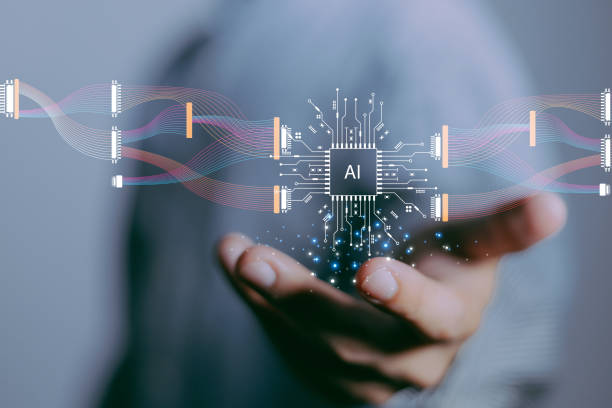
The internet has transformed how we communicate, work, and access information, but a new technological revolution is on the horizon—quantum computing. Unlike classical computers that process information in binary (0s and 1s), quantum computers use quantum bits or qubits, enabling them to perform complex calculations at unprecedented speeds. As this technology evolves, it is expected to fundamentally reshape the internet in multiple ways, from security to data processing and beyond.
1. Revolutionizing Internet Security
One of the most significant impacts of quantum computing on the internet will be in the field of cybersecurity. Today’s encryption systems, such as RSA and ECC, rely on mathematical problems that are difficult for classical computers to solve. However, quantum computers can potentially break these encryption methods using algorithms like Shor’s algorithm.
This poses a serious threat to current online security systems, including banking, communication platforms, and government data. On the flip side, quantum computing will also introduce quantum encryption methods, such as Quantum Key Distribution (QKD), which offer theoretically unbreakable security. This means the internet could become both more vulnerable and more secure, depending on how quickly organizations adapt to quantum-resistant encryption technologies.
2. Faster Data Processing and Improved Network Efficiency
Quantum computing has the potential to dramatically improve how data is processed and transmitted across the internet. With the ability to perform multiple calculations simultaneously, quantum systems can optimize network traffic, reduce latency, and enhance overall performance.
For example, complex routing problems that currently take significant time to solve could be handled almost instantly by quantum computers. This would lead to faster loading times, smoother streaming experiences, and more efficient cloud computing services. As internet usage continues to grow globally, quantum computing could help meet the increasing demand for speed and efficiency.
3. Advancing Artificial Intelligence and Big Data
The integration of quantum computing with artificial intelligence (AI) and big data analytics could unlock new possibilities for the internet. Quantum algorithms can process vast datasets much faster than classical systems, allowing for more accurate predictions, better decision-making, and enhanced machine learning models.
This advancement could revolutionize industries that rely heavily on data, such as healthcare, finance, and e-commerce. For internet users, this means more personalized experiences, smarter search engines, and improved recommendation systems. Websites and applications could become more intuitive, adapting in real-time to user behavior with unprecedented precision.
4. Enabling the Quantum Internet
Perhaps the most futuristic development is the concept of a quantum internet—a network that uses quantum signals instead of traditional data transmission methods. This new type of internet would leverage quantum entanglement to enable ultra-secure communication and instantaneous data transfer over long distances.
A quantum internet could eliminate many of the limitations of current networks, such as signal loss and hacking risks. It could also support new applications that are not possible with today’s technology, including distributed quantum computing and highly secure global communication systems. Although still in the experimental stage, researchers around the world are actively working to make this vision a reality.
Conclusion
Quantum computing is set to redefine the future of the internet in profound ways. While it introduces challenges, particularly in terms of cybersecurity, it also offers groundbreaking opportunities for faster data processing, enhanced AI capabilities, and the creation of a quantum internet. As this technology continues to develop, businesses, governments, and individuals must prepare for a new digital era. Adapting to quantum advancements will be essential to ensure that the internet remains secure, efficient, and capable of supporting the ever-growing demands of the modern world.