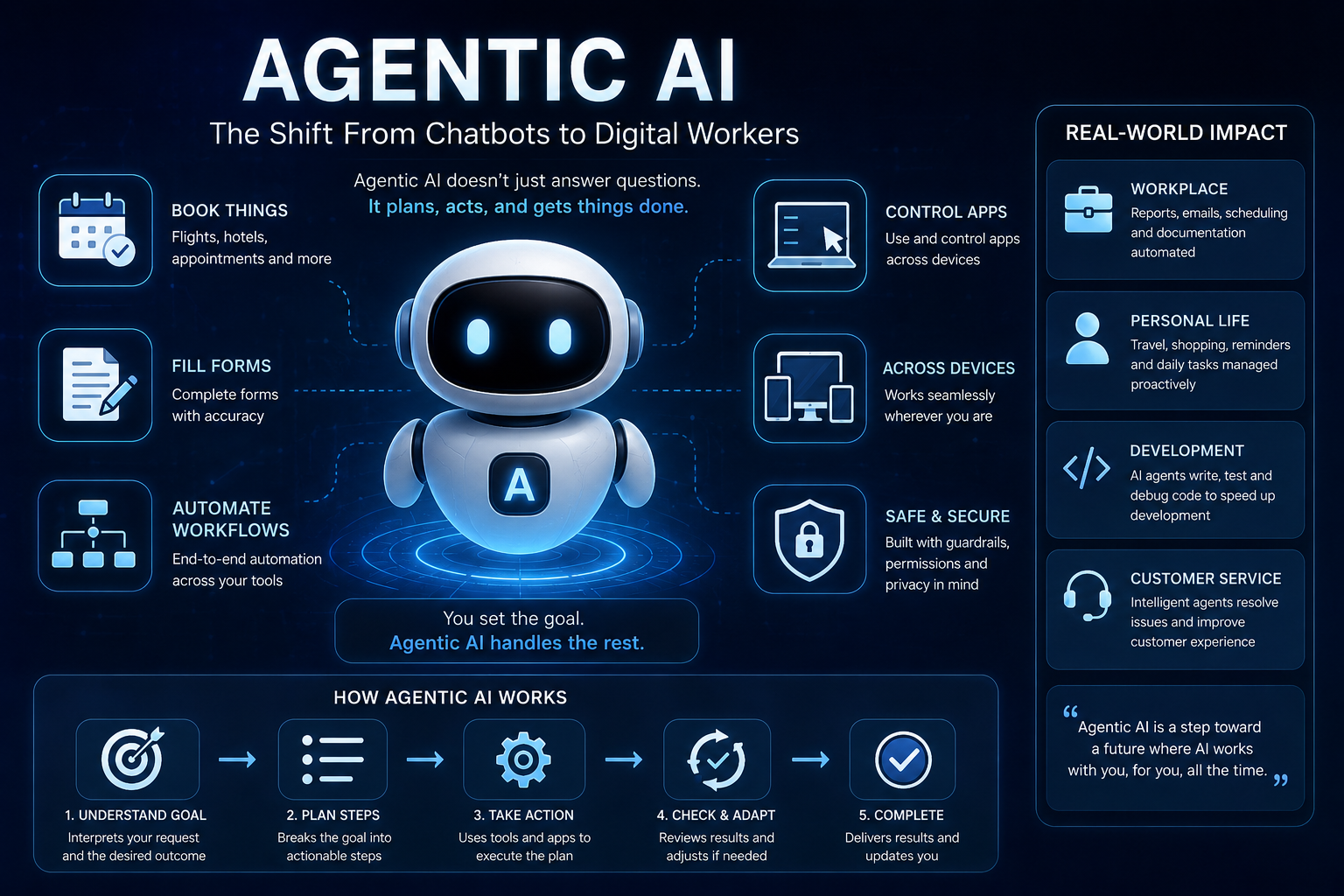


Apple’s annual Worldwide Developers Conference (WWDC) is once again set to become one of the biggest technology events of the year. Scheduled for June 8, 2026, WWDC is expected to focus heavily on artificial intelligence, software innovation, and the future of Apple’s ecosystem. While Apple traditionally uses the event to introduce the next generation of operating systems, this year’s spotlight is expected to fall on a dramatically improved Siri, expanded Apple Intelligence capabilities, and the unveiling of iOS 27.
After facing criticism for lagging behind competitors in the AI race, Apple appears ready to showcase its most ambitious AI strategy yet. Reports suggest that Siri could receive its biggest overhaul since its launch in 2011, while iOS 27 may introduce smarter interactions, enhanced personalization, and deeper AI integration throughout the operating system.
WWDC 2026: Why This Event Matters
WWDC has historically served as Apple’s platform for unveiling major software updates. Over the years, it has introduced landmark technologies including the App Store, Apple Silicon transitions, and Apple Intelligence.
This year carries additional significance because the AI industry has evolved rapidly. Competitors such as Google, Microsoft, and OpenAI have launched increasingly sophisticated AI assistants and productivity tools.
Apple’s challenge is unique: it must deliver powerful AI capabilities while maintaining its long-standing commitment to user privacy. Analysts expect WWDC 2026 to reveal how Apple plans to achieve that balance.
iOS 27: The Next Evolution of the iPhone Experience
Refinement Over Revolution
Unlike some previous releases that introduced dramatic visual redesigns, iOS 27 is widely expected to focus on refinement, intelligence, and performance enhancements rather than a complete interface overhaul. Industry reports describe it as a “polish and intelligence” release that improves existing features while making the operating system smarter and more responsive.
Expected improvements include:
Faster system performance
Better battery optimization
Enhanced privacy controls
AI-powered search experiences
Smarter app recommendations
Improved multitasking capabilities
More contextual system suggestions
The goal appears to be making the iPhone feel more intelligent in everyday use without forcing users to learn a completely new interface.
Enhanced User Personalization
One of the most anticipated features is deeper personalization powered by Apple Intelligence.
Instead of simply responding to commands, iOS 27 may proactively assist users by understanding routines, habits, locations, schedules, and preferences.
Examples could include:
Automatically preparing travel information before trips
Suggesting relevant apps based on context
Providing intelligent reminders
Offering personalized content recommendations
Predicting frequently used actions
These features would bring Apple’s ecosystem closer to the contextual awareness offered by modern AI assistants while keeping user data protected.
Siri’s Biggest Upgrade in Years


Siri 2.0 Could Finally Arrive
The biggest announcement expected at WWDC 2026 is a completely rebuilt Siri.
For years, Siri has struggled to compete with newer AI-powered assistants capable of natural conversations, contextual understanding, and complex reasoning. Reports indicate Apple has been rebuilding Siri’s architecture to support advanced generative AI capabilities.
Potential upgrades include:
More natural conversations
Multi-step task execution
Better contextual awareness
Memory across interactions
Improved voice recognition
Enhanced understanding of complex requests
Instead of responding to isolated commands, Siri may be able to engage in extended conversations and perform more sophisticated actions.
Personal Context Awareness
One feature generating significant excitement is “Personal Context.”
This capability could allow Siri to understand information stored across a user’s Apple devices, including:
Messages
Emails
Calendar events
Notes
Contacts
Photos
For example, users might ask:
“When is my next meeting with Sarah?”
Or:
“Show me the restaurant my friend recommended last week.”
Siri would then search across personal information sources to provide accurate answers. Apple is expected to implement these capabilities while maintaining strict privacy safeguards.
Smarter On-Screen Awareness
Another rumored feature involves improved screen awareness.
Siri may gain the ability to understand what users are viewing on their devices and take actions based on that context.
Examples include:
Summarizing web pages
Extracting information from images
Completing forms automatically
Creating calendar events from messages
Providing explanations about displayed content
Such capabilities would make Siri more useful as a productivity assistant.
Apple Intelligence Expands Across the Ecosystem
Apple introduced Apple Intelligence as its AI platform, and WWDC 2026 is expected to showcase major upgrades.
Smarter Writing Tools
Apple may expand its existing AI writing capabilities with features such as:
Advanced text generation
Improved grammar correction
Tone adjustments
Document summarization
Intelligent email drafting
These tools could become available throughout Apple’s ecosystem, including Mail, Notes, Pages, and Messages.
AI-Powered Search
Reports suggest Apple may introduce a new intelligent search experience.
Rather than searching apps individually, users could ask natural-language questions and receive comprehensive answers gathered from across their devices.
Potential examples:
“Show me photos from my last trip to Japan.”
“Find the presentation I edited last month.”
“Which emails mention the conference budget?”
This approach would transform search into a conversational experience.
Enhanced Visual Intelligence
Apple is also expected to improve Visual Intelligence capabilities.
Potential features include:
Real-time object recognition
Landmark identification
Product information retrieval
Contextual shopping insights
Improved image understanding
These enhancements could make the iPhone camera a more powerful AI-assisted tool.
AI Partnerships Could Play a Major Role
One of the most discussed rumors involves Apple potentially leveraging external AI models to strengthen Siri.
Several reports indicate Apple may integrate technology from Google’s Gemini platform for certain advanced AI functions while continuing to develop its own models.
If true, this strategy would allow Apple to:
Deliver advanced AI experiences quickly
Maintain competitive capabilities
Continue investing in proprietary AI technology
Balance innovation with privacy requirements
Apple has previously integrated external AI services, including ChatGPT support, demonstrating its willingness to collaborate when beneficial for users.
What About iPadOS 27, macOS 27 and watchOS 27?
WWDC 2026 is expected to unveil updates across Apple’s entire software lineup.
iPadOS 27
Expected improvements include:
Better multitasking
Enhanced Apple Pencil features
AI-powered productivity tools
Improved window management
macOS 27
Mac users may see:
Deeper Apple Intelligence integration
Smarter Finder search
Enhanced Siri functionality
AI-powered workflow automation
watchOS 27
Apple Watch owners could receive:
More advanced health insights
Improved fitness coaching
AI-generated wellness recommendations
Enhanced notification intelligence
These updates would extend Apple’s AI strategy beyond the iPhone and into the broader ecosystem.
Device Compatibility Expectations
According to current reports, iOS 27 may support devices beginning with the iPhone 12 series and newer. However, advanced Apple Intelligence features are expected to remain limited to more recent hardware with sufficient processing power.
Potentially supported devices may include:
iPhone 12 series
iPhone 13 series
iPhone 14 series
iPhone 15 series
iPhone 16 series
iPhone 17 series
Upcoming iPhone 18 models
More demanding AI features are expected to require newer Apple Silicon chips and greater memory resources.
Privacy Remains Apple’s Competitive Advantage
Unlike many AI companies that rely heavily on cloud processing and extensive data collection, Apple continues to emphasize privacy as a core differentiator.
Expected privacy-focused AI measures include:
On-device processing where possible
Private cloud computing
Data minimization techniques
User permission controls
Enhanced transparency
Apple executives have repeatedly stated that AI should be powerful without compromising user privacy. WWDC 2026 will likely demonstrate how these principles are being applied in practice.
Could Hardware Surprises Appear?
Although WWDC primarily focuses on software, speculation continues regarding possible hardware teasers.
Rumors include:
Smart glasses development updates
Future Vision Pro enhancements
AI-focused hardware initiatives
Foldable device research previews
However, most analysts believe software and AI will dominate this year’s keynote.
What This Means for Apple’s Future
WWDC 2026 represents more than a routine software update cycle.
For Apple, it is an opportunity to demonstrate that it can compete effectively in the AI era while maintaining the values that have defined its ecosystem for years.
A smarter Siri, enhanced Apple Intelligence, intelligent search capabilities, and contextual AI experiences could transform how users interact with their devices. Rather than focusing solely on flashy AI demonstrations, Apple appears to be pursuing practical features that integrate seamlessly into everyday workflows.
If the rumors prove accurate, WWDC 2026 may mark the beginning of a new chapter for Apple’s software ecosystem—one where AI becomes a deeply integrated assistant rather than a separate feature.
Conclusion
Apple WWDC 2026 is shaping up to be one of the company’s most important developer conferences in recent memory. The expected arrival of iOS 27, a significantly enhanced Siri, expanded Apple Intelligence capabilities, smarter search experiences, and ecosystem-wide AI upgrades signals Apple’s strongest push into artificial intelligence yet. While many details remain unconfirmed until the keynote presentation, the overall direction is clear: Apple wants to make its devices more intelligent, more personal, and more useful while preserving the privacy standards that distinguish its platform. As the event unfolds, technology enthusiasts, developers, and millions of iPhone users worldwide will be watching closely to see whether Apple can deliver the AI breakthrough many have been waiting for.