The Rise of Ainanotech in Modern Scientific Innovation
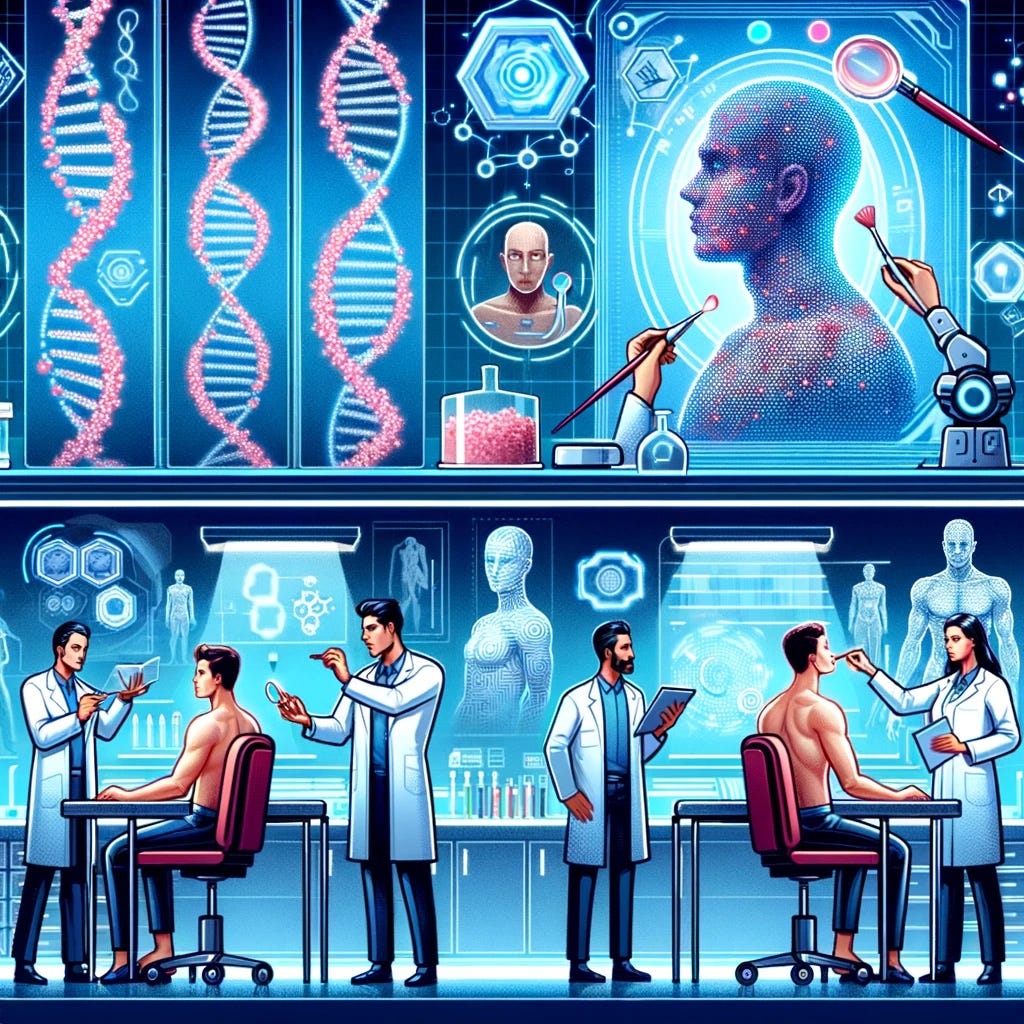
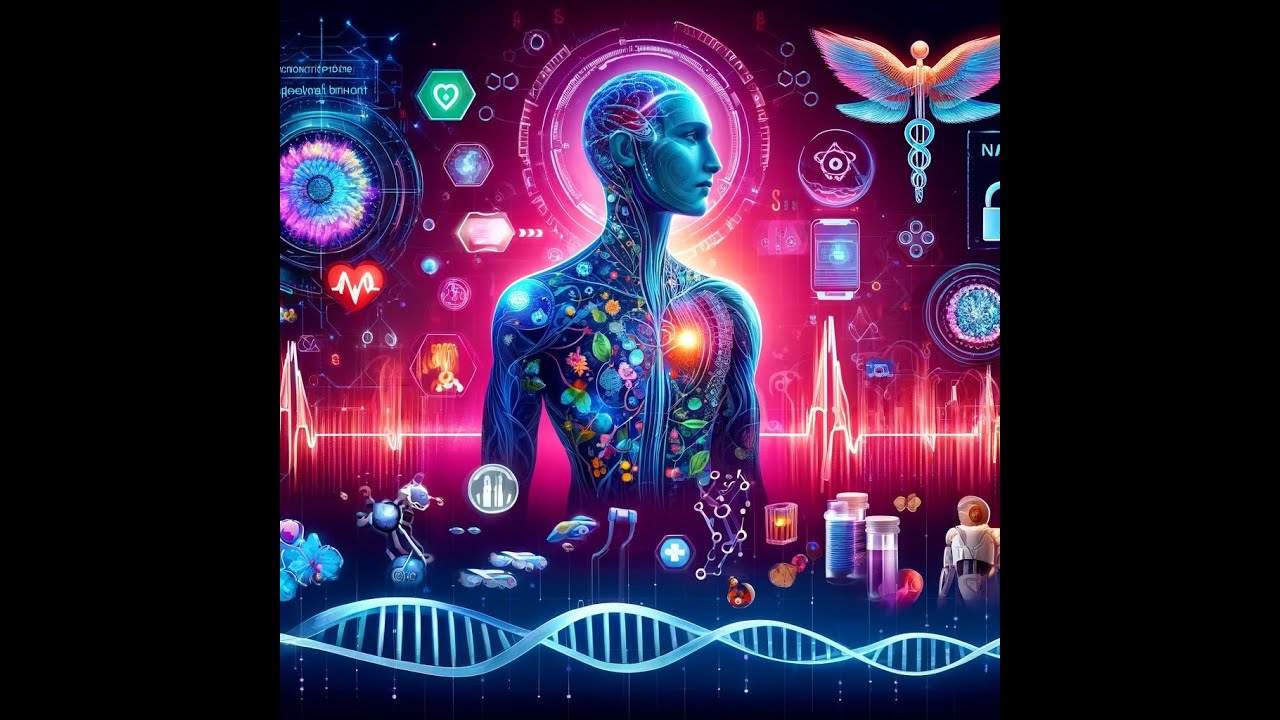
The healthcare and scientific research industries are experiencing rapid transformation through the combination of artificial intelligence and nanotechnology. This growing technological movement is often represented by the term ainanotech, which symbolizes the integration of AI-powered systems with nano-scale innovations designed to improve healthcare, diagnostics, and scientific discoveries. Researchers and medical experts are increasingly relying on advanced computational tools and nano-engineered materials to create smarter solutions for some of the world’s most complex medical challenges.
Traditional research methods often require extensive experimentation, long development cycles, and significant financial investments. Ainanotech helps accelerate these processes by using artificial intelligence to analyze data faster, predict outcomes more accurately, and optimize nanotechnology applications with greater efficiency. This powerful combination is opening new possibilities in medicine, biotechnology, and pharmaceutical development while improving the speed and precision of scientific innovation.
Smarter Drug Delivery Systems Through Ainanotech
One of the most important applications of ainanotech can be found in the development of advanced drug delivery systems. Conventional medications often face challenges such as limited absorption, unwanted side effects, and difficulty targeting specific areas within the body. AI-driven nanotechnology is helping researchers overcome these limitations by designing nano-scale carriers capable of delivering medicine directly to affected cells or tissues.
These intelligent delivery systems use nanoparticles engineered to release medication at controlled rates and in precise locations. Artificial intelligence plays a critical role by analyzing biological data and predicting how nanoparticles interact with the human body. This allows scientists to create safer and more effective treatments with reduced side effects and improved patient outcomes.
For example, cancer treatment research is benefiting greatly from ainanotech-based drug delivery systems. Nano-carriers can transport chemotherapy drugs directly to tumor cells while minimizing damage to healthy tissues. This targeted approach improves treatment efficiency and reduces many of the harmful effects associated with traditional therapies. As research continues, AI-powered nanotechnology could lead to more personalized treatments tailored to individual patient needs.
Nano-Scale Medical Devices and Healthcare Innovation
The advancement of ainanotech is also contributing to the creation of highly sophisticated nano-scale medical devices. These microscopic technologies are designed to monitor health conditions, detect diseases earlier, and assist in complex medical procedures with greater precision. Researchers are exploring the use of nano-sensors and intelligent implants that can interact directly with biological systems in real time.
AI-powered nano-devices have the potential to revolutionize diagnostics by identifying diseases at much earlier stages than traditional methods. For instance, nano-sensors can detect tiny molecular changes associated with infections, cancer, or neurological disorders before symptoms become severe. Early detection increases the likelihood of successful treatment and improves long-term patient care.
In addition, ainanotech innovations are helping develop wearable medical technologies capable of continuously monitoring vital signs, glucose levels, and cardiovascular activity. These devices provide real-time health data that can be analyzed instantly through AI systems, allowing doctors to make faster and more accurate medical decisions. This combination of nanotechnology and artificial intelligence is creating a new era of proactive and personalized healthcare.
AI-Powered Laboratory Analysis and Scientific Research
Laboratory research has become increasingly data-driven, and ainanotech is transforming how scientists analyze complex information. Modern laboratories generate massive amounts of biological, chemical, and medical data that can be difficult to process using traditional methods. Artificial intelligence helps researchers analyze these datasets more efficiently while identifying patterns and insights that may otherwise remain hidden.
AI-powered laboratory systems can automate repetitive tasks such as sample analysis, image recognition, and molecular simulations. This not only improves accuracy but also significantly reduces the time required for scientific experimentation. Researchers can now process thousands of samples and data points much faster, accelerating the pace of discovery in healthcare and biotechnology.
Machine learning algorithms used in ainanotech applications can also predict how certain compounds or nano-materials will behave under different conditions. This predictive capability allows scientists to optimize experiments before conducting physical tests, saving valuable time and research resources. As AI systems continue to improve, laboratories are becoming more intelligent, automated, and capable of producing breakthroughs at unprecedented speeds.
The Role of Ainanotech in Personalized Medicine
Personalized medicine is one of the fastest-growing areas of healthcare, and ainanotech is playing a major role in its development. Traditional medical treatments are often designed for broad patient groups, but AI-driven nanotechnology enables healthcare professionals to create more individualized therapies based on genetic, biological, and lifestyle factors.
AI systems can analyze patient data to identify unique health patterns and recommend customized treatment plans. Nanotechnology enhances this process by enabling highly targeted therapies that adapt to individual patient conditions. This level of precision improves treatment effectiveness while reducing unnecessary side effects and complications.
For example, researchers are studying nano-scale systems capable of delivering gene therapies directly to specific cells. Combined with artificial intelligence, these technologies may help treat genetic disorders, autoimmune diseases, and rare medical conditions more effectively than ever before. Personalized medicine powered by ainanotech represents a major shift toward more accurate and patient-centered healthcare solutions.
The Future Potential of Ainanotech in Global Healthcare
The future of ainanotech holds enormous potential for transforming healthcare and scientific research worldwide. As artificial intelligence and nanotechnology continue to evolve together, researchers are expected to develop even more advanced medical systems capable of diagnosing diseases earlier, improving treatment precision, and accelerating scientific discoveries.
Future innovations may include autonomous nano-robots capable of repairing damaged tissues, intelligent drug delivery systems that respond dynamically to patient conditions, and AI-driven diagnostic platforms that predict illnesses before symptoms appear. These advancements could dramatically improve healthcare accessibility, efficiency, and patient outcomes on a global scale.
In addition to healthcare, ainanotech is likely to influence fields such as environmental science, energy development, and advanced materials research. The integration of AI with nanotechnology demonstrates how interdisciplinary innovation can solve complex challenges and create new opportunities for scientific progress. As investment and research in this field continue to grow, AinanoTech is becoming a powerful symbol of the future of intelligent healthcare and next-generation scientific discovery.