Understanding AINanotech in the Modern Innovation Era
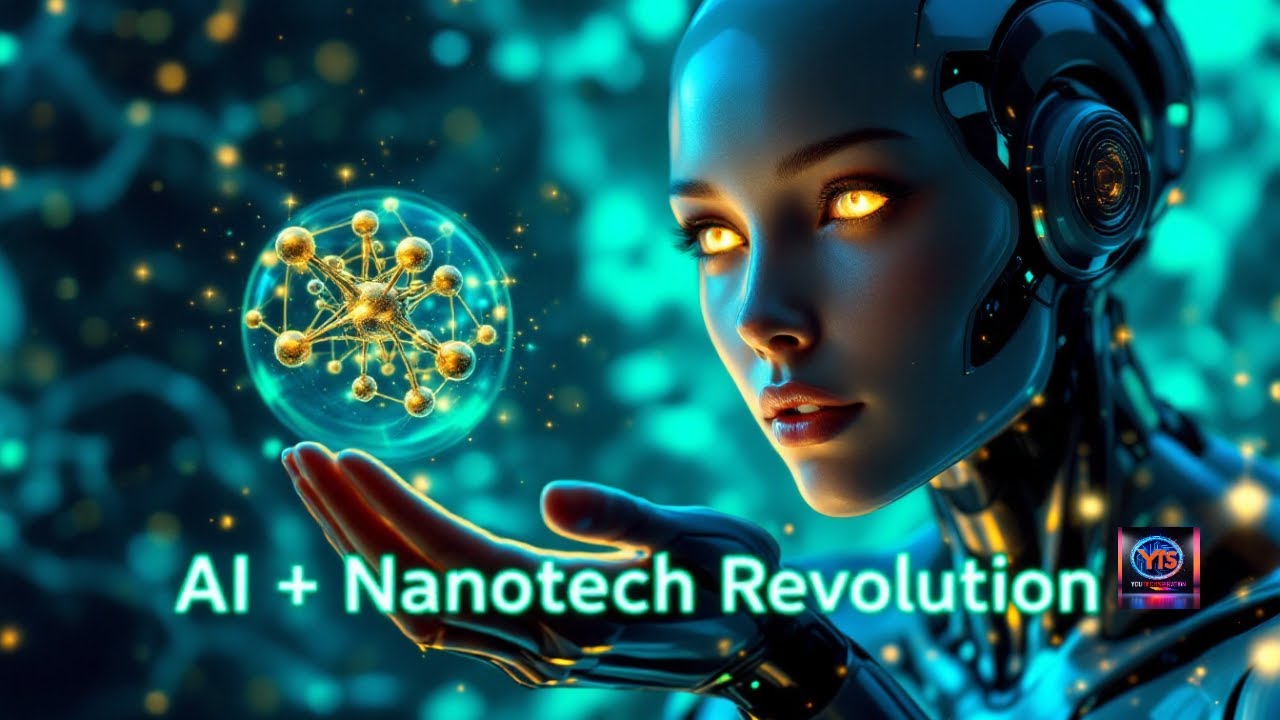
AINanotech represents the fusion of artificial intelligence and nanotechnology, creating a powerful interdisciplinary field capable of transforming how materials, systems, and devices are designed at the molecular scale. By combining AI-driven analytics with nanoscale engineering, AINanotech enables researchers and industries to manipulate matter with extreme precision. This convergence is opening new possibilities in medicine, manufacturing, energy, and environmental science, where traditional approaches often face physical and computational limitations.
AINanotech in Advanced Healthcare and Targeted Treatments
One of the most promising applications of AINanotech lies in healthcare innovation, particularly in targeted drug delivery and precision medicine. At the nanoscale, intelligent systems can design nanoparticles capable of delivering medication directly to affected cells without damaging surrounding tissues. AI enhances this process by predicting biological interactions and optimizing nanoparticle structures for maximum efficiency. This results in more effective treatments with fewer side effects, especially in areas such as cancer therapy, neurological disorders, and chronic disease management.
Revolutionizing Manufacturing Through Nanoscale Engineering
Manufacturing industries are also poised for transformation through AINanotech-driven processes. By integrating AI with nanoscale fabrication techniques, companies can develop materials that are stronger, lighter, and more adaptable than ever before. Smart nanomaterials can self-monitor structural integrity, predict wear and tear, and even self-repair under certain conditions. This level of innovation has the potential to redefine aerospace, automotive, electronics, and construction industries, where performance and durability are critical factors.
AINanotech in Energy Efficiency and Sustainable Solutions
Energy systems stand to benefit significantly from the integration of AINanotech technologies. Nanomaterials optimized by artificial intelligence can improve solar panel efficiency, enhance battery storage capacity, and reduce energy loss in transmission systems. These advancements contribute to more sustainable energy production and consumption models. Additionally, AI-driven nanotech solutions can help develop advanced catalysts for cleaner fuel production and carbon capture technologies, supporting global efforts to combat climate change.
Environmental Monitoring and Smart Material Applications
Environmental protection is another area where AINanotech can make a meaningful impact. Nanosensors powered by AI can detect pollutants, toxins, and chemical changes in air, water, and soil with extraordinary precision. These sensors provide real-time environmental data that can be used for early warning systems and ecological restoration efforts. Smart materials developed through AINanotech can also adapt to environmental conditions, helping reduce pollution and improve sustainability in urban and industrial settings.
Ethical Challenges and Technological Governance
As AINanotech continues to evolve, it raises important ethical and regulatory questions. The ability to manipulate matter at the nanoscale using intelligent systems introduces concerns about safety, environmental impact, and responsible usage. Ensuring transparency in AI decision-making and establishing global standards for nanotechnology applications are essential for maintaining public trust. Governments, researchers, and industries must collaborate to create frameworks that balance innovation with ethical responsibility.
The Future Impact of AINanotech on Global Industries
The long-term potential of AINanotech lies in its ability to reshape entire industries through intelligent nanoscale innovation. As AI systems become more advanced, they will enable faster discovery, more efficient material design, and highly optimized industrial processes. From healthcare breakthroughs to sustainable energy solutions and next-generation manufacturing, AINanotech is positioned to become a cornerstone of future technological progress. Its influence will extend across global markets, driving a new era of smart, adaptive, and highly efficient industrial ecosystems.