AINanotech: The Fusion of Artificial Intelligence and Nanotechnology

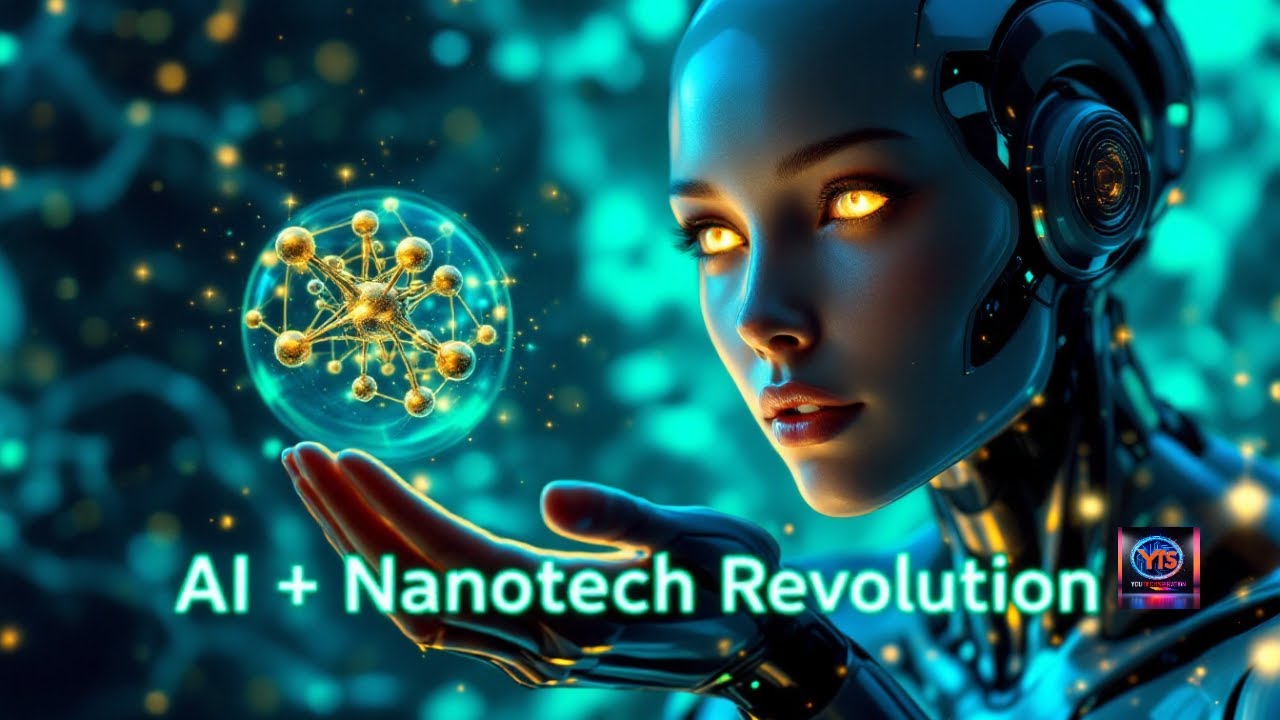
AINanotech represents a groundbreaking convergence of artificial intelligence and nanotechnology, where intelligent systems are used to design, control, and optimize materials and devices at the nanoscale. This emerging field is rapidly reshaping medicine, manufacturing, energy systems, and environmental science by enabling precision at an atomic level that was previously impossible.


Understanding the Foundation of AINanotech

https://images.openai.com/static-rsc-4/JbcdHHf_0Lptevs8R9eWXA6lKCV2IBk_Bc0__2i7oO38gNYSdGQGtXSer4wILEJzAeuNRyQg3tsNql6QVNvV1MG9T7ec8AgYfGko_PlFY5iz6moKhgp1ork_DnFBPoZZ-vAEOSmKBJEqKZWYVI_bRWv3P3q2la-Jv0UnneI7CaNEhsswop_6NbMG_xdbZFXs?purpose=fullsize
https://images.openai.com/static-rsc-4/Cw1HxfuEUU9Nhz3aesRH8IA1qSaWYDP-gbHBRTff-W_zU3L3NaRHWS9n1GyxlgeOBJuffkdibyRy_F85alpRQTzHiKsBOlKSSUG6zOaBZvHOfgTr0Nr5Y4EShiYPbRbxyhJaEL16047VkBWbA_X1LQ8BBL030wVmgMjKm_zzOdGpYnNBKNO2z-olHEyJlRWi?purpose=fullsize
https://images.openai.com/static-rsc-4/tf63-IDJRtuFhVC00577Qdz0Q34C5A0FBfwmh1geqC_cDjFvkQd1Kjeq3BO1EONmsPPzkUGL2tQduBWYTv2Of8Po8O94U-o0Vrf8k8t6vHxiaNqN7hwfRDDNmTllXoeGC8psBX9HVl4KEZ7fS2I21PP6Wc1evz5ccKgDi0IC62h6As7UO8WBQDt0jB8FsMr9?purpose=fullsize

7

At its core, AINanotech is built on two powerful technologies. Nanotechnology focuses on manipulating matter at the scale of atoms and molecules, typically between 1 and 100 nanometers. Artificial intelligence, on the other hand, provides the computational power to analyze complex systems, recognize patterns, and make predictions.

When combined, AI becomes a guiding intelligence that helps scientists design nanoscale materials with extreme precision. This synergy reduces trial-and-error experimentation and significantly accelerates scientific discovery.


How Artificial Intelligence Enhances Nanotechnology

https://images.openai.com/static-rsc-4/eSn9aLbLlL0Q32gCUlAdwO9cVGn1HdVc7sxr0qGPyGvMdfWXeu6mHB2xQ4o8sSkCm6XVMvtWvFH2guHEJZfkvSPJKp-aIZSVg_NeK6NAxRo0OrAdq-lKo_n2cLN0tn6YhJHdQAyLkCsfNZ4cGNfDtSwiaX-K-mAEd2tFqRqSrhzNQYyk-xl1ezx4_juPLXJ_?purpose=fullsize
https://images.openai.com/static-rsc-4/CGfidOYXcBwNOH_wuiB4VRDyvQUnK4M6KIg-hYmTz7vXU1wgGMOErdIDBAtwt0LfPY8CnGShKSoHG73Ma3pPYjf2lwv06mrYBvn-kH31LxSIufMGo4-eqwuIW6CARLDWYOTp1ey_zdMiLHLh3AQels-57ktCpq-Ba6ujgKsZ02sB56a8rr6X8KpQ10FaCuEL?purpose=fullsize
https://images.openai.com/static-rsc-4/sZ3mWeckAO9KGVff6FNFzOhnkOhpmljyS-7mgsUmlDUizDoKouaQS0ffpp3YJbRObV2hI1zu_Tx1mtBLMkFZqhR4D4rg6dfoQBz_ckVuKe372oGFWqbLfCFGjgGnOwskHm5XbL_43F3kTf0ZiNBH_ApCiPlLo1ZHj1qG62XJ_liu63uk58lBNnzuQNk5qSCX?purpose=fullsize

6

AI enhances nanotechnology by processing enormous datasets generated from molecular simulations and experiments. These datasets are far too complex for traditional analysis methods.

Machine learning algorithms can predict how nanoparticles will behave under different conditions, helping researchers design more stable and efficient nanostructures. This capability dramatically reduces research time and increases the accuracy of nanotech applications.


AINanotech in Medicine and Drug Delivery

https://images.openai.com/static-rsc-4/oBUT84cNueS5FyhxYQ_G-4jAGFcoJjo86WFZBu2tKJpG20uTMgCF0vlpw22Dhw6M9hk6H9NSUCtN9COxnDIZoCHct9w-hc48ZoQo23Bkb9kElaZU2OieSghB2lr2HN5TS6k6pVuSL-SyXlRwHhjHPeKQ1hwsDJ-4XxoKMNdP9pm3k3fJslNbbSMunIyPqHJH?purpose=fullsize
https://images.openai.com/static-rsc-4/QqahxA8i4HzBn7St_czy59VhL14akxWdel_rZA_Pg4ypat1SJN70le1cCgFXalE6FeeozxQBSfBqoa698knLcMDpoGjBxqhrY0fBY31iymsULRfDWlxV4V3SNL92wARW-vjAwAnqwvGvPrM7uvGsOug2VYsUJypA5EtyWWpg_4flTfJRRYLv4shYz3D3Cpyf?purpose=fullsize
https://images.openai.com/static-rsc-4/huVX7LvXoLQ8dERBZW0L4yAZW4WQVKAfQk3ymTuXXN60pdbxwX-YOL11a78REjltovKahtzsTQawkI5CwACY2VqQ2ib2H_XZCn6Z23Cd_GbtuZi_WNsMkrfuH1P02Iwg2qah4izdDwtjgWMazEtcZDAzsfKGdhrwrQkyaYdhwfn4Sp8Cn6yxtfWk88Sm3ljg?purpose=fullsize

5

One of the most promising applications of AINanotech is in healthcare. Nanoparticles can be engineered to deliver drugs directly to diseased cells, minimizing side effects and improving treatment efficiency.

AI plays a crucial role in designing these delivery systems by simulating how nanorobots or particles interact with biological environments. This is especially impactful in cancer treatment, where targeted therapy can destroy tumor cells without harming healthy tissue.


Industrial and Environmental Applications of AINanotech

https://images.openai.com/static-rsc-4/5UfB8c0HbYexQ1jXblyMkK06DgIuYSbN9AIDB7rlFRDPMrgFsVaJlv5iyDSTxNOq1uDr2snwxZzc8DOX7gDpG91AN5xREMIF8MTCop9mTM-6Bs7R5vlNFuhxjUBUimXq18YVh4ckvZBkHAgtWJANrHOZJ__18QzmAR33FjQze1YHyCiNsY10cDPojFJuo9A6?purpose=fullsize
https://images.openai.com/static-rsc-4/SpkYDhf1WyQwkkY6JLYdblkuP-O5wXQZMdnlBOy6JhvBS7gVrn3l6CA3mHjdRJi08PTxP15SvtlmT0z5up3vClZrXtUwaucv4s2u02PahwHxA9P1z3MIjDPK_89TmkjLazl7aTW6R0AP3onnAlAB-Oys9oajgZnuaMCed78zhEYJqCJBpxzkfavXUc1RlQZQ?purpose=fullsize
https://images.openai.com/static-rsc-4/s5iA2SVdTXHr0fzWIdW30jbqaC075InAb6zepe9WEHrivf6WbJG6tvzzVYBf6XAzK19dx36tQ6L_yEHQG0Vzy0x4KM-8KcgFFMsnoFXtWldGriJO7LHAuYOUtUEDjebIkUyJV4qqsIlwm-J1Fr-1jggE95S020WGfa47cfQu6ue3Ws69XenMp5fYmMh7CYlR?purpose=fullsize

6

Beyond healthcare, AINanotech is transforming industries such as manufacturing, energy, and environmental protection. Nanomaterials designed with AI assistance are being used to create stronger, lighter, and more efficient products.

In environmental science, nanotechnology can help purify water, remove pollutants, and reduce carbon emissions. AI ensures these solutions are optimized for maximum efficiency and minimal environmental impact.


The Role of AI in Designing Future Nanomaterials

https://images.openai.com/static-rsc-4/nlOJYqLTf9xsWI5YvkTo843de5KOBGPalxKPMkn36IDFjMqqCtDlW4YjxLCgFq5uAVNfqx_rh2AtX88Q__27_YHVv6ZZdr0cCeIBdkRWp5wdgwrYt-B0b8p7iRR8jbOr2tGKcjWE0dqEDsnrd-DdJkBz32ZAnidYpB-Vqd4_q6Dof52xcpSLq71H_BO4PN_A?purpose=fullsize
https://images.openai.com/static-rsc-4/uFPvBuFL0_hB5Ip2vi3f7CfLKgHFwcG8z2HniXW0nLz9h3X89aeRxw45XQ1va3p0A70K02SNOnLrNU76VolLQ4wH9t3s2jXrYvfstdkYA8jcsynZN8wSdPE5OEvzZejPJ_X08whFtnAKLxqcfyeKR4Ifp2nMpYpMXQIZ1aW573POYFe78T7EPC6h7-DPchAo?purpose=fullsize
https://images.openai.com/static-rsc-4/d4Cc5vHSsEn90aI9tYYQdcVOLO75xryEalg2lL5S6UkPa4Q4tX_hyIYNqK4DJutk6Y2EIyPa5rFf8YaZL7kxQXoD0IwPuq60ZJjMVfKoVf_7XcIhiD729cDXeDrhdRaf4DZfo0Z7TXnF4JyQY_chn5Yk6yNt76e1Fk_g0E5R_uPP_q71bIgqGR7-ABZmlBeR?purpose=fullsize

7

AI-driven generative design is revolutionizing how nanomaterials are created. Instead of manually testing combinations, AI systems can propose entirely new molecular structures based on desired properties like strength, conductivity, or flexibility.

This approach is accelerating innovation in electronics, aerospace engineering, and renewable energy systems, where advanced materials are essential for performance improvements.


The Future Challenges and Opportunities of AINanotech

https://images.openai.com/static-rsc-4/9bQjkMqizHyAhHF0-T--S3WDZ2ycjbX1UptJvQ-0J3UieOO5THg60X1CKcpXknoctaaHsw0W5rqrtAi0MUjM02SOJilvMx_WbrfQwQfHLt8C8AMVusyrT-8bczr-xm55F7F59xLBvMBf-aA-X_I3xufBglc4cUC3FmRzaYfd1gOGC_1W_cU9JtcRCaa8-qTb?purpose=fullsize
https://images.openai.com/static-rsc-4/GntUEWlO2Jzxps4J3yp0FnRAUqBj5_ovOh4wzpbRUqQqASv8co4FcdeIgOhDBRccFwqAgS90UK9OV9psnjwOc6ptGDmmlv7OKEH04iyr8zdPyGoJ9-02l8aXtals6kF6aub3e-N8bIVfVeDBzD-PE-rXSyH1lAGYmZzbYb_4wSe6WLzwFPKc-KpTFOZyei71?purpose=fullsize
https://images.openai.com/static-rsc-4/xQaBlVV_CyIwJeBTEGJrSikZuCHxVcg_2__8dbS9pXKh7vG5s5tO7e4BzDJBRvmFoLEoEyaHTOKCtwHX5s8NJPZRfL9hLlp-frnFK3XLjLparoHhAMufZGskb1wkXp5vpQ_izwQS9EHLdxWa_6D1Bpeh-pvVb8ch3m37B_1_XVfXQyIdNcxujM4-6w0Vy3KK?purpose=fullsize

4

Despite its potential, AINanotech also faces challenges such as ethical concerns, safety risks, and regulatory limitations. The ability to manipulate matter at such a small scale requires strict oversight to prevent unintended consequences.

However, the opportunities far outweigh the risks. As research progresses, AINanotech is expected to revolutionize medicine, industry, and environmental management, creating a future where intelligent nanosystems work seamlessly with human innovation.
Leave a Reply

Your email address will not be published. Required fields are marked *